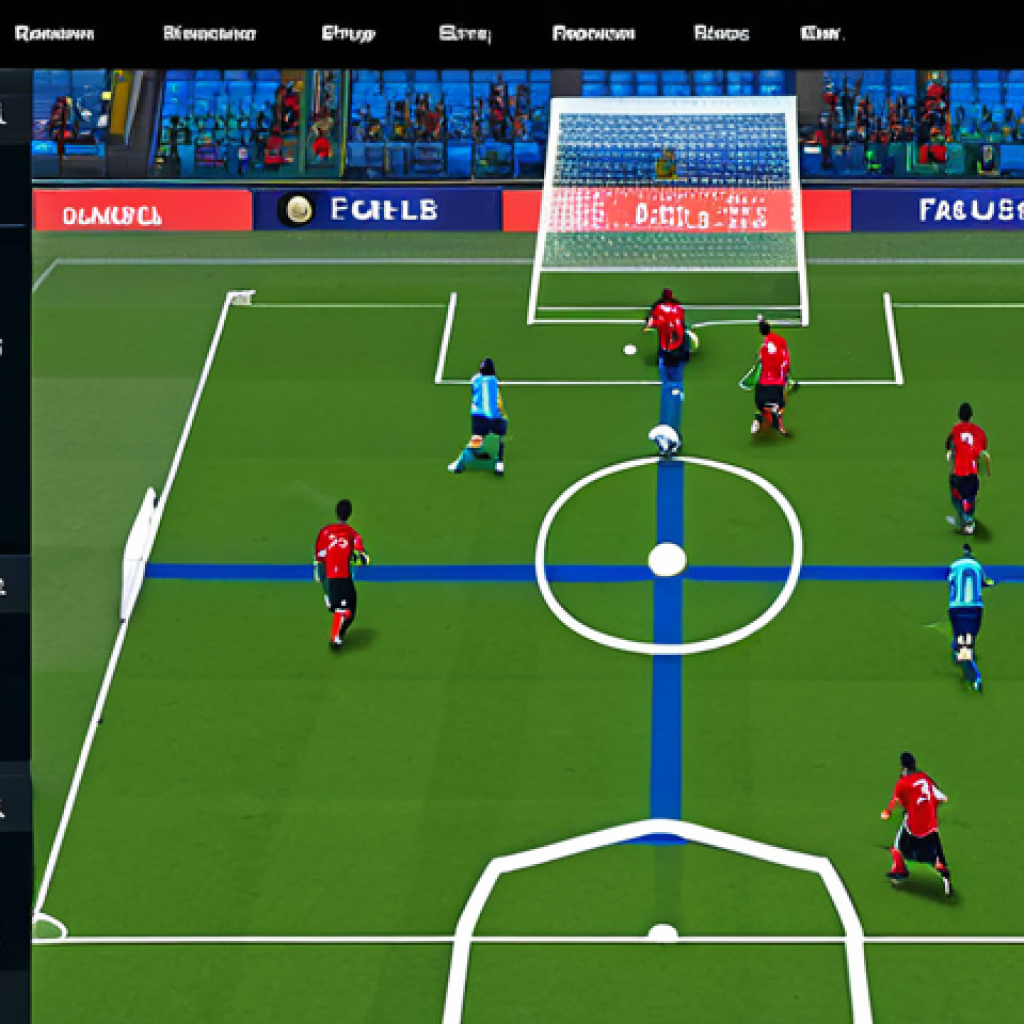
Okay, here’s the blog introduction about making mid-game adjustments in FC Online, tailored for an English-speaking audience:Ever been in that frustrating situation in FC Online where your carefully crafted strategy just isn’t working?
I’ve definitely been there – you’re a few goals down, your opponent is dominating possession, and you’re staring at a potential rage-quit. But before you throw your controller (we’ve all considered it!), remember that adaptability is key.
The beauty of FC Online lies in its dynamic gameplay, and knowing how to tweak your tactics mid-match can be a real game-changer. From subtle formation shifts to crucial player instructions, even small adjustments can swing the momentum in your favor.
I recently pulled off an insane comeback by tweaking my custom tactics, and let me tell you, the feeling was amazing. Let’s dive in and see how to make those crucial in-game changes!
Okay, here’s the blog post about making mid-game adjustments in FC Online, tailored for an English-speaking audience:
Reading Your Opponent’s Tactic
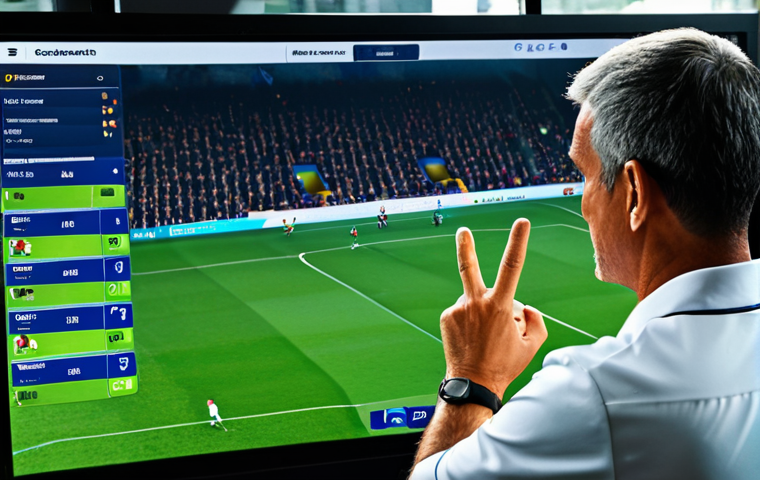
Being able to decipher what your opponent is doing is half the battle. It’s like watching a poker player – you’re looking for tells. Is their attack predictable?
Are they constantly relying on pacey wingers? Are they parking the bus after scoring a goal? These observations are your goldmine.
I remember playing against this guy who would always try the same through ball to Mbappe. Once I figured that out, I just adjusted my defensive line and he couldn’t break through anymore.
Spotting Patterns and Exploiting Weaknesses
First, pay close attention to their formation. Are they playing a narrow formation like a 4-1-2-1-2, leaving space on the flanks? Or are they playing wide, potentially vulnerable through the middle?
Recognizing this allows you to adapt your own formation and player instructions to exploit those gaps. I’ve found that switching to a 4-3-3 against narrow formations gives me the width I need to stretch their defense.
Analyzing Attacking and Defensive Styles
Second, watch their attacking patterns. Do they prefer short passing build-up play or long balls over the top? Are they aggressive in their pressing or do they sit back and absorb pressure?
Adjusting your defensive depth and width based on their attacking style can make a huge difference. If they’re constantly playing long balls, drop your defensive line deeper to intercept those passes.
Recognizing Player Tendencies
- Identify key players. If they heavily rely on a specific player for scoring or playmaking, focus on neutralizing that player.
- Understand common attacking patterns like cutbacks or through balls. Adjust your defensive positioning to anticipate and intercept these plays.
- Watch for tactical changes made by the opponent and adapt accordingly to maintain a strategic advantage.
Adjusting Your Formation and Tactics
Okay, you’ve figured out your opponent’s game plan. Now it’s time to make some changes of your own. Don’t be afraid to tinker with your formation and custom tactics during the game.
It’s not about having one perfect setup, it’s about adapting to the situation. I sometimes start with a 4-2-3-1, but if I need more attacking power, I’ll switch to a 4-3-3 or even a risky 3-5-2.
Quick Formation Changes
You can quickly switch between preset formations using the D-pad during the game. Use this to your advantage! If you need to defend a lead, switch to a more defensive formation like a 5-3-2.
If you need to chase a goal, switch to a more attacking formation like a 4-2-4.
Custom Tactics Tweaks
Don’t underestimate the power of custom tactics. Adjusting your defensive depth, width, attacking style, and player instructions can have a huge impact on the game.
For example, if you’re struggling to break down a parked bus, increase your attacking width and instruct your fullbacks to join the attack. I usually mess with these settings during pauses in play, like after a goal or a corner kick.
Player Instructions Matter
- Stay Back While Attacking: Assign to fullbacks or defensive midfielders for better defensive stability.
- Get In Behind: Set to attackers for runs behind the defensive line, exploiting space.
- Cut Inside: Use on wingers to create central attacking opportunities and shots.
Making Substitutions for Impact
Your starting eleven isn’t always going to cut it for the entire match. Bringing on fresh legs and different skillsets can completely change the flow of the game.
Think about your bench – who can bring pace, creativity, or defensive solidity when you need it most?
Identifying Weak Links
Keep an eye on your players’ stamina and performance. If someone is clearly struggling or not making an impact, don’t hesitate to sub them off. I sometimes bring on a fresh winger in the second half to exploit tired defenders.
Strategic Substitutions
Consider your team’s needs. Do you need more pace up front? Bring on a faster striker.
Do you need more defensive cover? Bring on a defensive midfielder. Do you need a creative spark?
Bring on an attacking midfielder with good passing and dribbling skills.
Late-Game Management
- Use defensive substitutions to protect a lead, bringing on extra defenders or defensive midfielders.
- Introduce pacey attackers to exploit tiring defenses and secure a late goal.
- Consider a goalkeeper with high reflexes and composure for penalty shootouts.
Adjusting Mentality and Tempo
Sometimes, it’s not just about formations and tactics, it’s about your team’s overall mentality. Are you playing too cautiously? Are you being too aggressive and leaving yourself exposed?
Adjusting your team’s mentality and tempo can help you control the game and dictate the pace of play.
Defensive vs. Attacking
If you’re defending a lead, switch to a more defensive mentality. This will make your players more cautious and prioritize defending over attacking. If you’re chasing a goal, switch to a more attacking mentality.
This will make your players more aggressive and prioritize attacking over defending.
Pace and Possession
Are you trying to control possession and patiently build up your attacks? Or are you trying to play a more direct and fast-paced game? Adjusting your team’s tempo can help you achieve your desired style of play.
If you want to control possession, slow down the tempo and focus on short passing. If you want to play a more direct game, increase the tempo and look for quick through balls.
Adapting to Match Flow
- Increase attacking tempo to press for a late goal, forcing the opponent into defensive errors.
- Slow down the pace to control the game, preventing the opponent from building momentum.
- Balance mentality and tempo to maintain composure and make strategic decisions.
Capitalizing on Set Pieces
Set pieces can be golden opportunities, especially when the game is tight. Make sure you have a good set-piece taker and know how to execute different set-piece routines.
I’ve won so many games by scoring from corners or free kicks in the dying minutes. It’s all about practice and knowing your players’ strengths.
Corner Kick Strategies
Do you have a tall striker who’s good in the air? Target him with your corner kicks. Do you have a player with a powerful shot?
Try a short corner routine and let him unleash a shot from the edge of the box.
Free Kick Techniques
Practice your free kicks! Knowing how to curl the ball over the wall or blast it low and hard can be a huge asset. Also, pay attention to the distance and angle of the free kick.
A free kick from 25 yards out requires a different technique than a free kick from 35 yards out.
Set Piece Customization
- Assign set piece takers based on skill attributes, such as free kick accuracy, curve, and crossing.
- Set up unique corner routines for different attacking scenarios, maximizing scoring opportunities.
- Practice various free kick techniques, including curling shots, driven shots, and passing options.
Managing Player Morale
A happy team is a winning team! Keep an eye on your players’ morale and try to keep them happy. Rotate your squad to give everyone playing time, praise good performances, and address any concerns.
I’ve found that a team with high morale is more likely to perform well, even when things get tough.
Praise and Criticism
Don’t be afraid to praise your players when they perform well, but also don’t be afraid to give them constructive criticism when they make mistakes. Just be sure to do it in a respectful and supportive way.
Squad Rotation
Keep your players fresh and motivated by rotating your squad. This will also give you a chance to see which players are performing well and who needs more time on the training ground.
Communication and Support
- Conduct regular team meetings to discuss strategies, address concerns, and foster a positive atmosphere.
- Provide individual feedback to players, focusing on strengths and areas for improvement.
- Create a supportive environment where players feel valued and motivated.
Analyzing Post-Match Data
After every match, take some time to analyze the data and see what you can learn. Which tactics worked well? Which ones didn’t?
Which players performed well? Which ones struggled? This information can help you improve your team and your overall game plan.
Key Stats to Track
Pay attention to stats like possession, shots on goal, passing accuracy, and tackles. These stats can give you a good overview of how the game played out and where you need to improve.
Identifying Trends
Look for trends in your data. Are you consistently struggling to defend against pacey wingers? Are you consistently failing to convert your chances?
Identifying these trends can help you focus your training and make targeted adjustments to your team.
Strategic Adjustments
- Review tactical heatmap data to identify areas of dominance and weakness in your formation.
- Analyze player performance metrics to highlight star performers and areas for development.
- Use post-match analysis to inform future training sessions and tactical adjustments.
| Adjustment | Scenario | How to Implement | Example |
|---|---|---|---|
| Formation Change | Trailing by a goal in the second half | Use D-pad to switch to a more attacking formation | Switch from 4-3-3 to 4-2-4 |
| Tactical Tweaks | Struggling to break down a defensive team | Adjust custom tactics for increased width and attacking runs | Increase attacking width to 70, set fullbacks to overlap |
| Player Substitution | Midfielder tiring in the 70th minute | Bring on a fresh midfielder with high stamina | Sub off Kante for Pogba |
| Mentality Shift | Protecting a lead in the final minutes | Switch to a defensive mentality with slower tempo | Set team mentality to “Defensive” and reduce pace |
In Conclusion
Mastering these mid-game adjustments isn’t just about winning; it’s about becoming a more adaptable and strategic player. It’s about learning to read the game, anticipate your opponent’s moves, and proactively counter them. So, get out there, experiment, and develop your own unique style of in-game management. With practice and patience, you’ll find yourself turning the tide of matches and climbing the ranks in FC Online.
Useful Tips & Tricks
1. Practice switching formations quickly in the arena mode to become comfortable with the D-pad controls.
2. Create multiple custom tactics and save them, so you can easily switch between them during the game.
3. Always have a well-rounded bench with players who can fill different roles and provide different skillsets.
4. Pay attention to your players’ morale and try to keep them happy, as this can impact their performance.
5. Analyze your post-match data to identify areas for improvement and make targeted adjustments to your team.
Key Takeaways
Adapt or lose: Recognize opponent patterns and adjust your tactics.
Formation & Tactics: Master quick changes and custom tweaks.
Substitutions: Use them strategically for impact.
Mentality & Tempo: Adjust to control the game.
Set Pieces: Capitalize on these opportunities.
Player Morale: Keep the team happy for better performance.
Post-Match Analysis: Learn from your games to improve.
Frequently Asked Questions (FAQ) 📖
Q: My opponent keeps cutting inside with his wingers. How do I stop them without conceding penalties constantly?
A: Okay, I’ve been there – it’s infuriating! Instead of just blindly tackling, try these: First, adjust your defensive width in your custom tactics to make your defense more compact.
This will clog up those central areas. Then, use your fullbacks to jockey (L2/LT) and shadow the wingers, forcing them wider. If they’re really persistent, consider assigning a defensive midfielder to man-mark their key winger.
Just be careful not to pull your defenders too far out of position! Trust me, a little patience and positioning goes a long way.
Q: I’m dominating possession but can’t seem to score. What tactical adjustments can I make to break down a stubborn defense?
A: Ah, the classic possession-without-penetration problem! I know that feeling all too well. First, try increasing your attacking width in your custom tactics.
This will stretch the defense and create more space for your attackers. Also, consider changing your build-up play to “fast build up” for quicker transitions, or adding a player instruction to your striker to “get in behind” to make runs that stretch the backline.
Power shot from outside the box can do the trick, too. Sometimes, all you need is one lucky shot to break the deadlock!
Q: My team seems to run out of steam in the second half. What mid-game adjustments can I make to keep them fresh and maintain my intensity?
A: Stamina drain is a killer! I’ve lost so many games because of tired players. To combat this, make some strategic substitutions around the 60th-70th minute mark, bringing on fresh legs for your key players.
Also, consider lowering your defensive depth in your custom tactics. This will force your team to defend slightly deeper, conserving stamina as they don’t have to run as far to track back.
Switching to a more possession-based style of play can also help you control the tempo and give your players some breathing room. Remember, smart substitutions and tactical tweaks can make all the difference in those crucial late-game moments.
📚 References
Wikipedia Encyclopedia
구글 검색 결과
구글 검색 결과
구글 검색 결과
구글 검색 결과
구글 검색 결과