In the fast-evolving world of FC Online, mastering the right formations can be a game-changer that elevates your play from average to legendary. With recent updates shaking up gameplay dynamics, understanding which setups maximize your team’s strengths is more crucial than ever.

Whether you’re battling rivals or climbing the ranks, nailing these formations gives you a tactical edge that’s hard to beat. Stick around as we break down the ultimate strategies to help you dominate every match like a seasoned pro.
Ready to transform your approach and see real results on the pitch? Let’s dive in!
Optimizing Defensive Solidity Without Sacrificing Attack
Choosing the Right Backline Setup
When I first started experimenting with formations, I noticed that a rigid back four gave me a stronger defensive base but often limited my ability to counterattack swiftly.
Switching to a three-center-back system with wing-backs allowed me to maintain defensive solidity while still having wide players who could push forward aggressively.
This setup demands disciplined wing-backs who can quickly transition from defense to offense. It’s crucial to select defenders with good stamina and pace here, as they’ll cover a lot of ground.
The balance between having enough cover in the middle and width on the flanks can be a game-changer, especially against teams that like to overload the wings.
Midfield Support for Defense
A solid defensive formation isn’t just about the backline. Midfielders play a pivotal role in breaking up attacks early. Deploying a defensive midfielder who sits just in front of the backline adds an extra layer of protection.
From my experience, a formation like 4-2-3-1 works wonders because the double pivot can screen the defense effectively. These midfielders need to be tactical thinkers with strong tackling skills and the ability to intercept passes.
The key is their positioning; they should anticipate the opponent’s moves and cut passing lanes before threats develop fully. This setup also helps in quickly launching counterattacks once possession is regained.
Pressing Intensity and Defensive Shape
Adopting a high pressing game while maintaining defensive shape was something I had to tweak over several matches. It’s tempting to push your team forward aggressively, but if your formation leaves gaps, you’ll get punished.
I found that a compact midfield with a solid defensive line, combined with coordinated pressing triggers, is essential. This means training your players to press as a unit when the opponent enters your half or shows signs of a weak touch.
In FC Online, you can adjust pressing intensity in tactics settings, and I’ve seen a noticeable difference when balancing pressing with controlled shape.
Overpressing can tire your players and leave space behind, so moderation is key.
Maximizing Midfield Control for Dominance
Roles and Responsibilities of Central Midfielders
Midfield control is often the difference between dictating the game and reacting to it. In my gameplay, I prioritize midfielders who can multitask—those who can defend, distribute, and occasionally make forward runs.
Formations like 4-3-3 or 3-5-2 provide flexibility here. Assigning one deep-lying playmaker to orchestrate play from behind, while the other two midfielders shuttle box-to-box, creates a dynamic presence.
It’s critical that these players have high stamina and vision stats, as they’ll be involved in almost every phase of play. Their ability to retain possession under pressure and pick out incisive passes can dismantle even the toughest opponents.
Exploiting Space and Transitioning Quickly
A formation that locks down midfield but also allows quick transitions is gold. For example, the 4-1-2-1-2 narrow diamond provides excellent central control but can sometimes get isolated on the wings.
I realized that adding wingers or wide midfielders helps stretch the opposition and opens up passing lanes. When your midfielders can quickly shift from defense to attack, you create overloads in dangerous areas.
Practicing quick one-touch passing sequences and timing runs is vital to make this effective. In FC Online, mastering these transitions depends heavily on player chemistry and understanding your squad’s strengths.
Creative Freedom vs. Tactical Discipline
Balancing creativity and discipline in midfield roles can be tricky. I’ve given my attacking midfielder freedom to roam and find pockets of space, which often results in unexpected goal opportunities or key passes.
However, this freedom must be balanced with the midfielders behind them maintaining their shape to avoid vulnerability. When setting tactics, you can tweak player instructions to ‘free roam’ or ‘stay on position’ depending on your overall strategy.
Personally, I found that giving my CAM (central attacking midfielder) a bit more liberty while instructing my CDMs (central defensive midfielders) to stay disciplined paid off in tight matches.
Unlocking Attacking Potential Through Flexible Formations
Deploying Multiple Strikers Effectively
I was skeptical at first about formations with two strikers, fearing my midfield might be stretched thin. But using a 4-4-2 or 3-5-2 setup allowed me to apply more pressure on the opponent’s backline.
Having two forwards creates constant dilemmas for defenders, forcing them to split focus. One striker can hold up the ball and link play, while the other runs in behind.
It’s crucial to pick strikers with complementary attributes—one target man with strong aerial ability and one pacey finisher who can exploit space. This combo not only boosts goal-scoring chances but also improves overall team fluidity.
Wing Play and Overlapping Runs
Wide players are essential in stretching defenses and creating crossing opportunities. In formations like 4-3-3 or 4-2-3-1, using wingers who can dribble and cut inside or deliver precise crosses has been a game-changer for me.
Overlapping fullbacks add another dimension, creating 2v1 situations on the flanks. Timing these runs is critical; I often use custom tactics to instruct my fullbacks to join attacks selectively, avoiding leaving the defense exposed.
The key is patience and reading the game flow to decide when to push forward aggressively or hold back and maintain balance.
Set Pieces as a Tactical Weapon
Don’t underestimate the power of set pieces. I spend time assigning the best free-kick takers and corner specialists, and positioning tall, strong players in key areas during corners.
Formations that allow a dedicated set-piece taker to stay upfront can catch opponents off guard with quick restarts. Practicing these scenarios in training mode helps sharpen timing and delivery.
In FC Online, well-executed set pieces can break deadlocks, especially against stubborn defenses. Investing in players with good set-piece stats adds a valuable layer to your attacking arsenal.
Adapting Formations Based on Opponent and Match Situation
Reading Opponent Tactics Quickly
One lesson I learned the hard way is that sticking rigidly to one formation is a recipe for predictable play. Observing your opponent’s formation and style early in the match allows you to adjust your setup dynamically.
For instance, if they’re pressing high with a 4-3-3, switching to a more compact 4-2-3-1 can help control space and exploit gaps. FC Online’s in-game tactical changes are invaluable for this.
I usually start cautiously and ramp up attacking or defensive focus depending on how the match unfolds. Being reactive rather than reactive is a mindset that pays off.
Using Substitutions to Shift Formation Balance
Substitutions aren’t just about fresh legs—they’re about tactical shifts. Introducing a defensive midfielder late in the game when protecting a lead or bringing on an extra striker when chasing a goal can alter the formation subtly.
I tend to keep flexible players on the bench who can slot into multiple roles. This versatility lets me shift from a defensive 4-5-1 to a more aggressive 3-4-3 without losing coherence.
Monitoring player fatigue and performance stats in real-time helps me decide the best moment for these changes.
Customizing Player Roles Within Formations
Even within the same formation, assigning specific player roles can dramatically impact performance. For example, in a 4-3-3, instructing one midfielder to act as a box-to-box engine while another sits deeper to recycle possession creates a balanced midfield.
Sometimes I assign my wingers to cut inside to allow overlapping fullbacks to bomb forward, increasing unpredictability. Taking time to experiment with player roles in different matches helped me understand how small tweaks can exploit weaknesses in the opposition’s formation.
Player Attributes That Complement Your Formation Choices
Physical and Mental Traits to Prioritize
When building a formation, the players’ attributes can either make or break your tactics. For defensive roles, I look for players with high stamina, aggression, and positioning.
Midfielders benefit from vision, passing accuracy, and work rate, while attackers need pace, finishing, and dribbling skills. It’s not just about raw stats—mental traits like composure and decision-making are equally crucial.
I’ve had matches where a composed midfielder calmly controlled the tempo and prevented panic turnovers, which was a huge advantage.
Balancing Star Players with Role Players
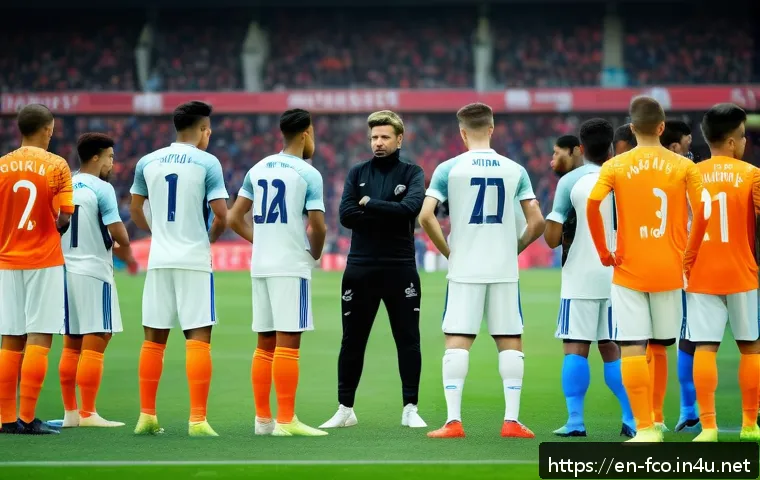
Sometimes it’s tempting to build your team around your star striker or playmaker, but without the right supporting cast, even the best players can underperform.
I focus on creating a balance—solid role players who excel in specific duties complementing the stars. For example, a creative CAM flanked by hardworking wide midfielders who can track back.
This balance helps maintain team shape and creates more scoring opportunities. It also ensures the team doesn’t collapse if a star player is tightly marked or having an off day.
How Chemistry Influences Formation Effectiveness
Player chemistry is a subtle but vital factor in FC Online. Players who link well on and off the ball tend to execute tactical plans more smoothly. I noticed formations feel more fluid when the midfielders and forwards have high chemistry, leading to quicker, more accurate passing and smarter movement.
Chemistry also influences player responsiveness to your commands during intense moments. Investing time to build chemistry through consistent lineups and complementary player roles has been one of my best strategies to enhance formation effectiveness.
| Formation | Strengths | Weaknesses | Best Player Attributes | Ideal Match Situation |
|---|---|---|---|---|
| 4-2-3-1 | Balanced defense and attack, strong midfield control | Can be narrow, vulnerable on wings | Stamina, vision, passing accuracy | Against teams with strong midfield presence |
| 3-5-2 | Midfield dominance, wing-back support | Exposed defense if wing-backs caught forward | Speed, endurance, tactical awareness | When needing to control possession and press high |
| 4-3-3 | Wide attacking options, flexible midfield roles | Midfield can get overrun if not disciplined | Dribbling, finishing, work rate | When looking to stretch defenses and quick transitions |
| 4-4-2 | Dual striker threat, simple shape | Less midfield control against packed centers | Finishing, positioning, stamina | Against teams with weak central defense |
| 4-1-2-1-2 (Narrow Diamond) | Central overloads, quick passing triangles | Limited width, vulnerable on flanks | Passing, vision, stamina | When facing teams that crowd the midfield |
Fine-Tuning Team Instructions for Formation Success
Adjusting Defensive Line and Width
One of the biggest surprises for me was how much tweaking the defensive line height and team width influences formation effectiveness. Pushing the defensive line higher compresses the field and supports a pressing style, but it also risks being caught out by fast attackers.
Conversely, a deeper line sacrifices pressure but reduces counterattack vulnerability. Adjusting team width helps you either compact the midfield or stretch the opposition wide.
I’ve learned to modify these settings based on the opponent’s strengths—narrow width for teams that play through the middle and wider settings against wing-dependent sides.
Customizing Player Roles for Specific Matchups
Player instructions within a formation can be a game-changer. For example, telling your fullbacks to ‘stay back while attacking’ or ‘overlap’ drastically changes how your formation performs.
I’ve seen how instructing wingers to cut inside opens up space for midfield runners, adding unpredictability. It’s important to align player roles with their natural strengths; asking a slow fullback to bomb forward often backfires.
I recommend experimenting with these nuances in friendlies before competitive matches to find the best fit for your squad.
Balancing Attacking and Defensive Tactics
Finding the right balance between attacking freedom and defensive responsibility is a constant challenge. My experience shows that overly aggressive tactics can lead to conceding cheap goals, while too defensive a mindset stifles creativity and scoring chances.
Adjusting aggression, pressure, and creativity sliders in team tactics allows you to fine-tune this balance. For example, lowering aggression but increasing pressure can help keep the opponent pinned without reckless challenges.
I often switch between these settings mid-game to respond to match dynamics effectively.
Mastering Set Pieces Within Your Formation Strategy
Integrating Set Pieces Into Your Tactical Plan
Set pieces are often overlooked but are a vital part of a winning formation strategy. Assigning roles such as free-kick takers, corner kick takers, and penalty specialists with the right skill set can turn tight games in your favor.
I make sure my tall defenders are always positioned in the box during corners for headers, while agile attackers lurk outside the box for rebounds. Practicing set pieces in training mode sharpens timing and increases confidence during high-pressure moments.
Variations to Keep Opponents Guessing
I’ve found that mixing up set-piece routines is essential to avoid predictability. Instead of always sending crosses into the box, sometimes a short corner or a quick free-kick surprise works wonders.
In FC Online, you can manually adjust the direction and power of set pieces, so practicing these variations is key. My favorite trick is a near-post flick-on header followed by a late-arriving midfielder to finish.
These subtle variations can catch even experienced players off guard.
Using Set Pieces to Exploit Formation Weaknesses
Certain formations have inherent weaknesses in defending set pieces, such as narrow formations leaving space at the far post. I tailor my corner kick tactics to exploit these gaps by targeting less guarded zones or using decoy runs.
This tactical awareness often leads to scoring opportunities from dead-ball situations. Additionally, instructing players to stay forward for quick counterattacks after defending set pieces helps maintain pressure and seize momentum.
Utilizing Player Substitutions to Evolve Your Formation
Timing Your Substitutions for Maximum Impact
In my matches, timing substitutions is as important as the formation itself. Bringing in fresh legs around the 60-70 minute mark helps maintain intensity, especially in demanding formations with high pressing or wing-back runs.
I also use substitutions to shift tactical focus, such as adding an extra midfielder to protect a lead or introducing a speedy winger to chase a goal.
Watching player stamina and performance metrics closely guides these decisions. The right substitution at the right time can turn the tide dramatically.
Flexible Substitutes Who Fit Multiple Roles
I always keep versatile players on my bench who can slot into different positions seamlessly. This flexibility allows me to tweak formations mid-game without losing cohesion.
For example, a player comfortable both as a fullback and winger lets me shift from a back four to a back three with ease. This adaptability is crucial in FC Online’s dynamic matches where opponents might switch tactics unexpectedly.
Having these multi-role substitutes gives you a tactical edge and preserves your formation’s integrity.
Substitution Patterns to Counter Opponent Strategies
Observing opponent substitutions and adapting accordingly can help maintain control. If the opposition brings on an extra attacker, I might respond by adding a defensive midfielder or switching to a more compact formation.
Conversely, if they become defensive late on, introducing creative midfielders or forwards can help break them down. This chess-like approach to substitutions requires patience and quick decision-making but pays dividends by keeping your formation effective against varying threats.
Conclusion
Mastering the balance between defensive solidity and attacking flair is key to building a successful team. By carefully selecting formations, adjusting tactics, and understanding player roles, you can adapt to any match situation effectively. Incorporating flexibility and thoughtful substitutions further enhances your control on the pitch. Ultimately, continuous practice and tactical awareness will elevate your gameplay to the next level.
Helpful Information
1. Always tailor your formation to the opponent’s style rather than sticking to one rigid setup.
2. Player stamina and mental attributes like composure can be just as important as physical skills.
3. Versatile players offer tactical flexibility, allowing smoother formation shifts during matches.
4. Set pieces are often overlooked but can be decisive—practice and assign roles carefully.
5. Maintaining high player chemistry boosts passing accuracy and overall team cohesion.
Key Takeaways
Building a winning formation strategy involves more than just picking the right shape—it requires a deep understanding of player attributes, tactical adjustments, and in-game flexibility. Defensive stability should never come at the expense of attacking opportunities, and vice versa. Effective use of midfield control, pressing intensity, and timely substitutions plays a crucial role in dominating matches. Finally, mastering set pieces and exploiting opponent weaknesses can provide the edge needed in tight contests.
Frequently Asked Questions (FAQ) 📖
Q: What are the best formations to use in the latest FC Online update?
A: The top formations now really depend on your playstyle, but many pros swear by the 4-3-3 and 3-5-2 setups after the recent patch. The 4-3-3 offers a balanced attack and solid midfield control, perfect for players who like to press high and create wide chances.
Meanwhile, the 3-5-2 formation shines if you prefer dominating the midfield and quick counterattacks. I’ve personally found that switching between these two based on your opponent’s tactics can make a huge difference in results.
Q: How can mastering formations improve my overall gameplay in FC Online?
A: Understanding formations is like having a secret weapon. When you know exactly where your players should be positioned, you can exploit weaknesses in your opponent’s defense or shore up your own.
It’s not just about offense; a solid formation helps you maintain shape, control the pace, and reduce costly mistakes. From my experience, adjusting formations mid-game based on how the match is unfolding has saved me from losing leads and helped me clinch tight wins.
Q: Are there any tips for adapting formations quickly during matches?
A: Absolutely! One trick I use is to have a couple of go-to formations ready depending on the flow of the game. For example, if you’re trailing, switch to a more attacking setup like 4-2-4 to push forward aggressively.
If you’re leading, a defensive 5-4-1 can help you hold the line. Practice these shifts during friendlies so you’re comfortable making quick changes under pressure.
Remember, timing is everything—don’t wait too long to adapt, or the momentum might slip away.